




Kane County Health Department Reports First Human Cases of West Nile Virus for 2026
The Kane County Health Department (KCHD) is reporting the first two human cases of West Nile virus in Kane County for the 2026 mosquito season. Both individuals are Aurora residents and developed the more serious, neuroinvasive form of West Nile virus requiring hospitalization.
“These cases are a reminder that West Nile virus is present in our community and that mosquito bite prevention remains important throughout the remainder of the mosquito season," said Michael Isaacson, KCHD Executive Director. “While most people infected with West Nile virus do not develop symptoms, the virus can cause serious illness, particularly in older adults and people with weakened immune systems."
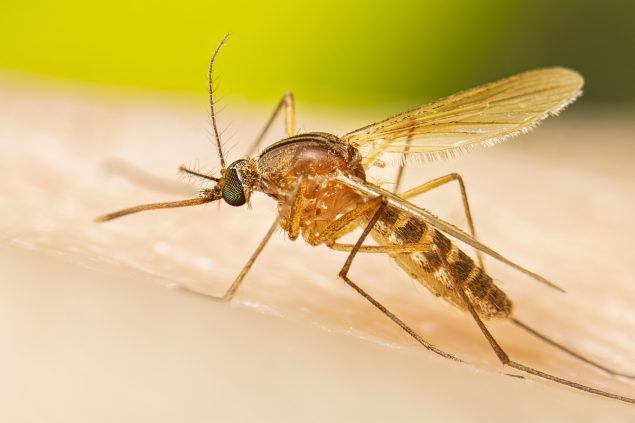
West Nile virus is most commonly spread to people through the bite of an infected Culex mosquito, commonly known as a house mosquito. Mosquitoes become infected when they feed on birds carrying the virus and can then transmit the virus to people and other animals.
KCHD conducts ongoing mosquito surveillance and works with local partners to monitor and reduce the risk of West Nile virus in the community. There were five human cases of West Nile Virus in 2025 and four in 2024.
The best way to prevent West Nile virus is to avoid mosquito bites:
- Use insect repellent. Apply an EPA-registered insect repellent containing DEET, picaridin, IR3535, oil of lemon eucalyptus or para-menthane-diol according to label directions.
- Wear protective clothing. When outdoors, particularly from dusk to dawn when mosquitoes are most active, wear long sleeves, long pants, socks and shoes.
- Eliminate standing water. Empty water from flowerpots, buckets, birdbaths, children's pools, pet dishes, tires and other containers at least once a week.
- Maintain screens. Make sure doors and windows have tight-fitting screens and repair any holes or tears.
- Keep grass and weeds trimmed. Mosquitoes can use vegetation around homes as resting areas.
Most people infected with West Nile virus do not develop symptoms. About one in five people develop a fever and other symptoms such as headache, body aches, joint pain, vomiting, diarrhea or rash. A small number of people develop severe illness that can affect the brain and nervous system, including encephalitis or meningitis. Adults age 60 and older and people with weakened immune systems are at greatest risk for severe disease.
There is no specific treatment or vaccine for West Nile virus in people. Prevention of mosquito bites is the most effective way to reduce the risk of infection.
For more information about West Nile virus, mosquito surveillance and prevention, visit the Kane County Health Department's West Nile virus webpage.